
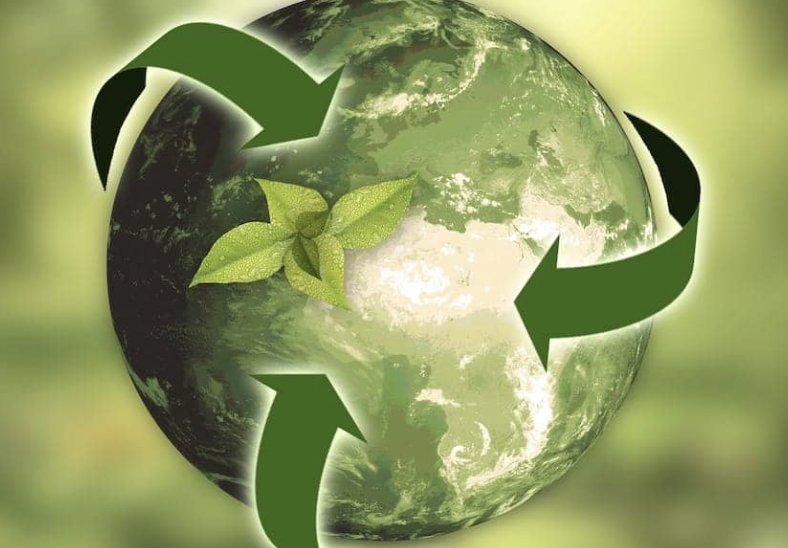
Today, on Global Recycling Day, businesses, governments, and communities around the world are reminded of a simple but powerful truth: waste is not the end of a product’s life—it’s the beginning of a new one.
At Intersect Global, we see recycling not just as an environmental necessity, but as a strategic lever for innovation, resilience, and long-term growth.
The Shift from Waste to Resource
For decades, the global economy has largely operated on a linear model: take, make, dispose. This approach is no longer sustainable in a world facing resource scarcity, climate pressure, and growing consumer expectations.
Recycling sits at the heart of the transition to a circular economy—one where materials are continuously reused, repurposed, and reintegrated into supply chains. This shift reduces dependency on virgin resources, lowers emissions, and unlocks new economic value.
Why Recycling Matters More Than Ever
1. Environmental Impact
Recycling significantly reduces landfill use, conserves natural resources, and cuts greenhouse gas emissions. For example, recycling aluminium saves up to 95% of the energy required to produce it from raw materials.
2. Economic Opportunity
Recycling is not just a cost centre—it’s a growth engine. Secondary materials markets are expanding rapidly, creating jobs, stimulating innovation, and driving new business models.
3. Regulatory Pressure
Governments worldwide are tightening regulations around waste, packaging, and emissions. Businesses that proactively embed recycling into their operations will be better positioned to comply—and to lead.
4. Consumer Expectations
Today’s consumers are increasingly conscious of sustainability. Brands that demonstrate genuine commitment to recycling and circular practices build stronger trust and loyalty.
The Role of Businesses: From Compliance to Leadership
Forward-thinking organisations are moving beyond basic recycling compliance and embedding circularity into their core strategy. This includes:
- Designing products for recyclability from the outset
- Reducing material complexity in packaging
- Partnering with recycling and recovery networks
- Leveraging data to track material flows and waste reduction
At Intersect Global, we work with organisations to identify where sustainability intersects with commercial value—helping transform recycling from a checkbox into a competitive advantage.
Challenges to Overcome
Despite progress, significant barriers remain:
- Infrastructure gaps in collection and processing
- Inconsistent global standards for materials and recycling systems
- Low-quality recyclates due to contamination
- Lack of transparency across supply chains
Addressing these challenges requires collaboration across industries, investment in technology, and alignment between policy and practice.
A Call to Action
Global Recycling Day is not just about awareness—it’s about action.
For businesses, the question is no longer whether to prioritise recycling, but how quickly it can be embedded into operations, strategy, and culture.
For leaders, it’s an opportunity to rethink systems, challenge assumptions, and invest in solutions that deliver both environmental and economic returns.
Looking Ahead
The future belongs to organisations that can turn sustainability into strategy. Recycling is one of the most tangible—and impactful—places to start.
At Intersect Global, we believe that the intersection of sustainability, innovation, and business performance is where real transformation happens.
Today, we celebrate recycling. Tomorrow, we build around it.