
The Civil Engineering Industry in 2025 – Opportunity, Challenge, and Transformation

A Surge in Investment and Infrastructure Ambition
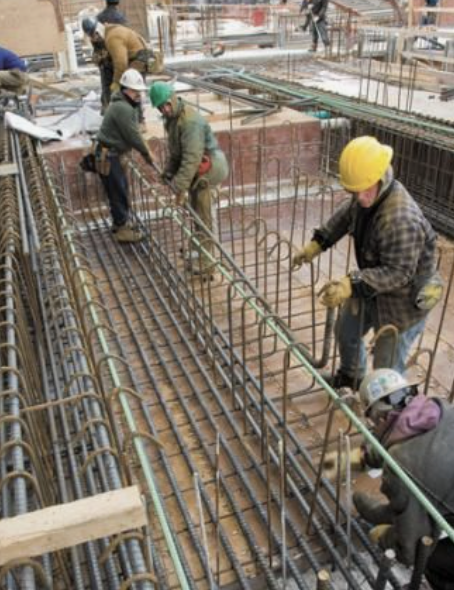

The UK civil engineering sector is entering a pivotal moment. With a renewed push on infrastructure from water systems and utilities to energy and transport firms are seeing a robust pipeline of projects unfold. intersectglobal.co.uk+2ccemagazine.com+2This uptick is driven not only by public-sector investment but also by rising demand in utilities, renewables, and upgrades to legacy infrastructure. ccemagazine.com+1 Smaller- to mid-scale projects (e.g. sub-£100 million schemes) are playing an increasingly important role in stabilising workloads, even as larger mega-projects become more complex. ccemagazine.com+1Overall, forecasts suggest a steady growth trajectory over the coming decade, underpinned by infrastructure investment, smart city ambitions, and evolving demands in transport, water, and energy sectors. Future Market Insights+1

Revolution Through Technology, Sustainability & Modern Methods

The civil engineering industry is no longer just about concrete and steel, it’s evolving rapidly via technology and sustainable practices.Digital tools like Building Information Modeling (BIM), digital twins, automation and AI-driven analytics are increasingly embraced to improve design accuracy, planning, maintenance and lifecycle management. intersectglobal.co.uk+2intersectglobal.co.uk+2Off-site and modular construction techniques once niche — are now moving mainstream, especially for projects aiming at speed, efficiency, reduced waste, and improved safety. AWC Group+1There is a strong push for sustainability: low-carbon materials (e.g. low-carbon concrete, recycled aggregates, engineered timber), whole-life carbon assessments, and green infrastructure are becoming expected standards in modern civil-engineering projects. AWC Group+1Given climate change and increased environmental risks (e.g. flooding, coastal erosion, extreme weather), designing resilient infrastructure — using both traditional engineering and nature-based solutions has become essential. AWC Group+1For firms, this means: adapting to new tools and materials, rethinking project lifecycle from build to maintenance, and investing in expertise that merges engineering with sustainability and digital-native skills.

Workforce Challenges — Skills Shortages & Rising Costs

Despite the optimism, the civil engineering industry faces serious headwinds.One of the biggest issues is a talent shortage. The UK has lost a significant portion of its construction and engineering workforce in recent years, due in part to retirements, fewer entrants, and reduced training uptake. SSA LTD.+2Wikipedia+2 This skills gap has now become a structural challenge, making it harder for companies to deliver projects on time and meet increasing demand especially for roles like design engineers, BIM specialists, and low-carbon materials experts. intersectglobal.co.uk+1Compounding this is rising cost pressure. According to a recent forecast by Building Cost Information Service (BCIS), labour costs — driven by wage increases and higher employer costs — are set to raise civil engineering costs sharply over the next five years. newcivilengineer.com While material costs may remain stable, the wage-driven inflation may force firms to raise tender prices or squeeze margins, which may impact project viability. newcivilengineer.com+1As a result, firms are under pressure to invest in talent pipelines (apprenticeships, retraining), to streamline processes, and to attract individuals with blended skills digital + sustainability + core engineering.

What This Means for Recruitment & Talent — The Role for Intersect Global

For a recruitment and staffing firm like Intersect Global, the current environment presents a powerful opportunity but also a responsibility.High demand for specialist talent: As firms increasingly embrace digital, modular, and sustainable construction methods, there is demand not just for traditional civil engineers, but for BIM managers, sustainability experts, digital-tools specialists, and multi-disciplinary engineers.Need for upskilling and talent development: With shortages across the sector, employers will need partners who can connect them with emerging talent, support training and retraining efforts, and help build resilient pipelines for the mid-to-long term.Strategic consultancy value: As projects grow in complexity — both technically and regulatory (e.g. environmental regulations, planning permissions, carbon reporting) — clients may seek guidance on compliance, procurement strategy, and workforce planning. Recruitment firms with deep sector knowledge can deliver significant value beyond simple placements.Attracting the next generation: The industry must appeal to a newer generation of professionals who value sustainability, technology, and meaningful impact. As a recruiter, emphasising career pathways in digital-first engineering, green infrastructure, and major infrastructure projects can help attract that talent.At Intersect Global, the capacity to match talent to evolving industry demands for both traditional civil engineering roles and emerging cross-disciplinary positions — positions you uniquely to support the sector’s evolution.

 Final Thoughts: A Transformative Moment, If We Get It Right

The UK civil engineering industry stands at a crossroads. On one side: bold ambitions, infrastructure investment, technology integration, sustainability, and a wave of new projects. On the other: talent shortages, rising costs, and structural pressures.Success in the years ahead will depend on firms’ ability to adapt: using modern tools and materials, rethinking conventional project delivery, investing in people, and embracing sustainability as a core principle — not just an afterthought.For recruitment partners and talent-focused firms, the opportunity is clear: bridging the gap between demand and supply, enabling companies to stay competitive, and supporting the transformation of the built environment for the better.Intersect Global can be more than just a staffing agency by championing innovation, sustainability, and talent mobility, it can play a key role in shaping the future of UK infrastructure and civil engineering.

Read More

Religious Freedom Day: Why Belief Belongs in the Workplace Religious Freedom Day, marked each year on 16 January, is a timely reminder that freedom of belief is not just a personal right, it is a workplace responsibility. From a recruitment … Continue reading

Back to Work: Turning New Year’s Resolutions into Real Results

The start of a new year brings fresh energy, bold ambitions, and a long list of resolutions. But once the out-of-office is off and the inbox starts filling up, good intentions can quickly lose momentum. At Intersect Global, we help … Continue reading

Archive