Intersect Global | World Day for Safety & Health at Work
Building Safer Workplaces in a Changing World
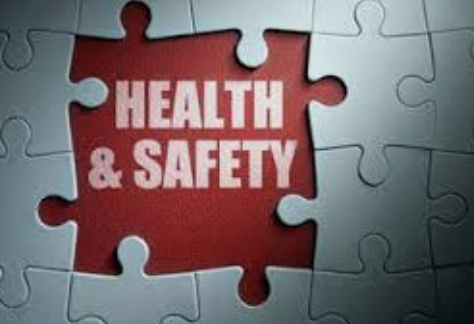
On World Day for Safety and Health at Work, organisations across the globe are reminded of a fundamental truth:
no business outcome should ever come at the expense of people’s wellbeing.
But in today’s evolving world of work—hybrid environments, rapid digitalisation, and increasing performance pressures—workplace safety is no longer just about compliance.
It’s about culture, leadership, and long-term sustainability.
Safety Has Evolved
Traditionally, workplace safety focused on physical risks—machinery, environments, and manual processes.
Today, the definition is broader:
- Physical safety → safe environments, proper equipment, risk prevention
- Mental wellbeing → stress, burnout, psychological safety
- Digital health → screen fatigue, remote work boundaries
- Ergonomics → how and where people work
The challenge for organisations is keeping pace with this expanded scope.
The Hidden Risks in Modern Work
While progress has been made, new risks are emerging:
- Always-on cultures leading to burnout
- Poorly designed remote setups causing long-term health issues
- Lack of psychological safety impacting performance and retention
- Inconsistent standards across global or hybrid teams
These risks are less visible—but no less impactful.
Why It Matters More Than Ever
Organisations that prioritise safety and health don’t just protect people—they perform better.
- Higher employee engagement
- Lower absenteeism and turnover
- Stronger productivity and collaboration
- Improved employer brand and talent attraction
Safety is not a cost. It’s a driver of performance.
From Policy to Practice
Creating a truly safe and healthy workplace requires more than policies on paper.
1. Embed Safety into Culture
Safety should be part of everyday decision-making—not a checklist.
2. Prioritise Psychological Safety
Create environments where people feel safe to speak up, challenge, and contribute.
3. Equip Leaders
Managers play a critical role in recognising risks, supporting teams, and modelling behaviours.
4. Design for Modern Work
Ensure remote, hybrid, and office environments are set up for long-term wellbeing.
The Leadership Imperative
Safety starts at the top.
Leaders set expectations, allocate resources, and define what is truly prioritised.
When safety and health are treated as strategic priorities, they become embedded across the organisation.
 A Call to Action
World Day for Safety & Health at Work is more than a moment of awareness—it’s an opportunity to reassess how organisations protect and empower their people.
Because the future of work isn’t just about being faster or more efficient.
It’s about being safer, healthier, and more human.
At Intersect Global, we believe that when organisations invest in people’s wellbeing, they unlock stronger performance, resilience, and long-term success.