Religious Freedom Day: Why Belief Belongs in the Workplace
Religious Freedom Day, marked each year on 16 January, is a timely reminder that freedom of belief is not just a personal right, it is a workplace responsibility.
From a recruitment perspective, religious freedom is not about faith itself; it’s about fair access, dignity, and inclusion. At its core, it asks employers and recruiters the same question: Are people being assessed for what they can do, rather than who they are?
Recruitment Beyond “Culture Fit”
In hiring, unconscious bias remains one of the biggest barriers to genuine equality. Religious belief or non-belief can quietly influence decisions around “culture fit,” availability, dress, communication style, or assumptions about flexibility.
At Intersect Global, we believe recruitment should focus on capability, values, and potential, not conformity. Culture fit should never mean culture cloning. Diverse beliefs bring diverse perspectives — and that diversity consistently strengthens decision-making, innovation, and leadership.
The Recruiter’s Role in Religious Inclusion
Recruiters sit at a critical intersection between candidates and organisations. That position carries responsibility. Practically, this means:
Ensuring job descriptions are inclusive and avoid unnecessary restrictions
Challenging assumptions around availability, working patterns, or appearance
Supporting candidates who may require reasonable accommodations
Partnering with clients who are committed to inclusive hiring practices
True inclusion isn’t about special treatment, t’s about equal opportunity.
Why This Matters to Employers
Workplaces that actively respect religious freedom benefit from higher engagement, stronger retention, and broader talent pools. In a competitive hiring market, organisations that demonstrate respect for individuality don’t just do the right thing they hire better.
Religious freedom also signals something wider: psychological safety. When people feel free to be themselves, they perform at their best.
Our Commitment at Intersect Global
As a recruitment partner, Intersect Global is committed to:
Advocating for inclusive hiring practices
Representing diverse talent fairly and ethically
Working with organisations that value respect, flexibility, and human dignity
Religious Freedom Day is a reminder that inclusion isn’t a one-day initiative it’s an ongoing standard.
Because the best recruitment outcomes happen when talent is recognised without bias, and opportunity is truly open to all.
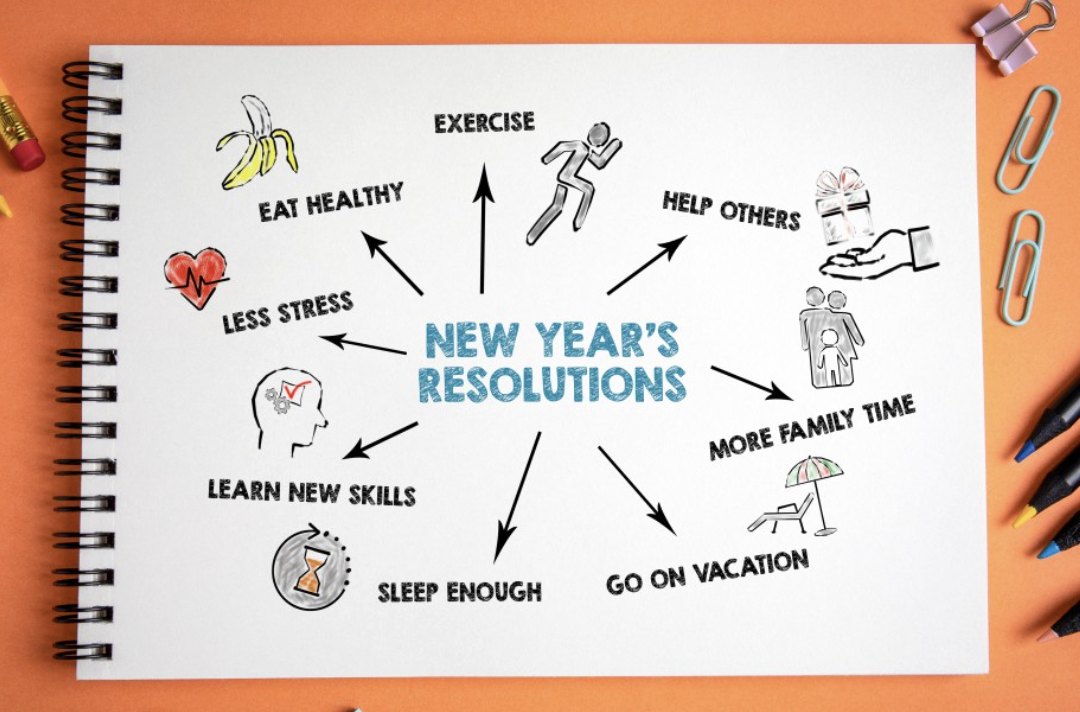
The start of a new year brings fresh energy, bold ambitions, and a long list of resolutions. But once the out-of-office is off and the inbox starts filling up, good intentions can quickly lose momentum.
At Intersect Global, we help organisations turn New Year’s resolutions into clear strategies, measurable actions, and sustainable growth. January isn’t just about setting goals, it’s about setting the right priorities.
From Resolutions to Results
Common New Year’s resolutions for businesses often include:
Expanding into new markets
Improving operational efficiency
Strengthening digital capability
Driving sustainable, long-term growth
The challenge isn’t ambition, it’s execution.
That’s where we come in.
We work at the intersection of strategy, insight, and delivery, helping leadership teams move from “what we want to do this year” to “what we’re doing this quarter.”
A Smarter Start to the Year
The first weeks back at work are the most powerful time to reset:
Align teams around shared objectives
Reassess what’s working and what isn’t
Make confident, data-driven decisions early
By taking a focused approach now, businesses avoid reactive decision-making later in the year.
Make This the Year Strategy Meets Action
New Year’s resolutions shouldn’t fade by February. With the right structure, clarity, and support, they become a roadmap for success.
Whether you’re refining your strategy, entering new markets, or accelerating transformation, Intersect Global is here to help you start the year strong and keep the momentum going.
Let’s turn this year’s resolutions into results.
Whether you’re planning your next career move or looking to secure specialist talent capability across major frameworks, get in touch with Intersect Global Ltd for a confidential discussion on 0203 983 5195.
What Happens Behind the Scenes in Civil Engineering When Everyone Else Breaks for Christmas
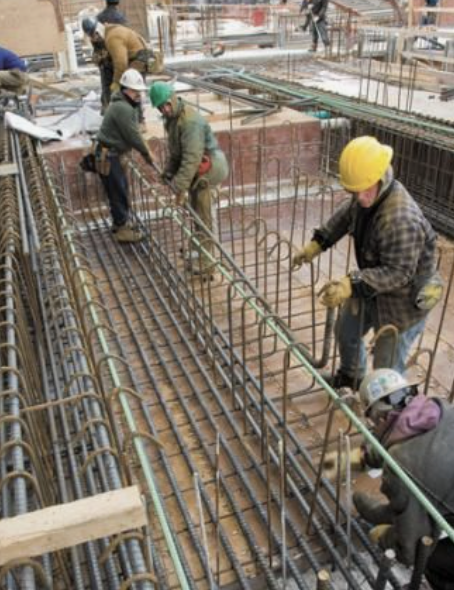
As offices wind down, shops close early, and most people settle into the warmth of the festive season, civil engineering quietly enters one of its most important—and least visible—periods of the year. While the country switches off, the infrastructure that keeps everything running cannot. At Intersect Global, and across the wider construction and engineering sector, essential work continues long after the Christmas lights go up.
Below the surface, teams are planning, maintaining, monitoring, and managing complex systems to ensure that transport networks, utilities, and major infrastructure projects remain safe, stable, and ready for the new year.
1. The “Christmas Shutdown” That Isn’t Really a Shutdown
For many industries, Christmas marks a full stop. But in civil engineering, the festive period is often used strategically:
A Window for Major Works
Holiday periods are one of the few times when road and rail networks experience reduced traffic. This makes it ideal for:
Track renewals and signalling upgrades
Highway resurfacing and junction improvements
Bridge maintenance and inspections
Utility diversions and upgrades
These works are too disruptive for normal operating hours, so the “quiet” season becomes the perfect opportunity to complete them efficiently and safely.
2. Emergency Response Never Sleeps
Storms, floods, burst water mains, structural failures, and extreme weather don’t take Christmas off. Neither do the engineers who respond to them.
Behind the scenes, civil engineering teams maintain:
24/7 emergency cover
On-call rotas for structural engineers
Rapid-response frameworks for highways and utilities
Contingency plans for severe weather
Whether it’s clearing a blocked culvert at 2am on Boxing Day or stabilising a compromised embankment during a storm, these teams ensure public safety while most people are at home relaxing.
3. Monitoring Infrastructure Around the Clock
Thousands of assets require continuous oversight, including:
Bridges and viaducts
Earthworks and retaining walls
Watercourses and drainage systems
Tunnels and high-risk structures
Rail lines, utilities, and transport networks
Monitoring systems—some remote, some manual—track everything from water levels to structural movement. Civil engineers analyse this data daily, ensuring that small issues don’t escalate into major disruptions.
4. Planning and Programming for the New Year
While construction sites may quieten, offices aren’t always completely dark.
Christmas is a crucial period for:
Project planning and scheduling
Tender preparations
Budget reviews
Risk assessments and design adjustments
Procurement and early works planning
It’s often the only time project teams can catch their breath long enough to focus on the bigger picture without daily operational pressures.
5. Keeping Supply Chains Moving
Even during Christmas, supply chains must continue to support ongoing works. Materials, machinery, and specialist equipment need to be:
Ordered
Delivered
Stored
Logged
Maintained
Plant and fleet teams also use this period to service machinery, ensuring a safe and reliable start to January.
6. Protecting Sites Over the Festive Period
Before workers go home, there’s vital work to secure sites:
Temporary works checks
Flood and weatherproofing
Safety barriers and signage
Security systems and fencing
Environmental protection measures
Good preparation prevents accidents, vandalism, environmental damage, or costly delays.
7. The Human Side: Rotas, Welfare, and Commitment
It’s not just technical work happening behind the scenes it’s people. Civil engineering teams rely on:
Staff willing to work anti-social hours
Careful rota planning to protect wellbeing
Strong communication between project partners
Supportive leadership and clear escalation paths
The dedication of these individuals ensures the country’s infrastructure remains safe and functional, even when the rest of the world is celebrating.
Why This Work Matters
Most people will never see a Christmas emergency call-out, never notice a drainage team working in freezing conditions, and never realise that their Boxing Day train or Christmas Eve journey is only possible because of months of planning and overnight engineering shifts.
But this invisible effort is exactly what keeps the country moving.
At Intersect Global, we understand the commitment and expertise required to support the engineering and infrastructure sector all year round, especially during the periods when the public least expects it.
The UK civil engineering sector is entering a pivotal moment. With a renewed push on infrastructure from water systems and utilities to energy and transport firms are seeing a robust pipeline of projects unfold. intersectglobal.co.uk+2ccemagazine.com+2This uptick is driven not only by public-sector investment but also by rising demand in utilities, renewables, and upgrades to legacy infrastructure. ccemagazine.com+1 Smaller- to mid-scale projects (e.g. sub-£100 million schemes) are playing an increasingly important role in stabilising workloads, even as larger mega-projects become more complex. ccemagazine.com+1Overall, forecasts suggest a steady growth trajectory over the coming decade, underpinned by infrastructure investment, smart city ambitions, and evolving demands in transport, water, and energy sectors. Future Market Insights+1
Revolution Through Technology, Sustainability & Modern Methods
The civil engineering industry is no longer just about concrete and steel, it’s evolving rapidly via technology and sustainable practices.Digital tools like Building Information Modeling (BIM), digital twins, automation and AI-driven analytics are increasingly embraced to improve design accuracy, planning, maintenance and lifecycle management. intersectglobal.co.uk+2intersectglobal.co.uk+2Off-site and modular construction techniques once niche — are now moving mainstream, especially for projects aiming at speed, efficiency, reduced waste, and improved safety. AWC Group+1There is a strong push for sustainability: low-carbon materials (e.g. low-carbon concrete, recycled aggregates, engineered timber), whole-life carbon assessments, and green infrastructure are becoming expected standards in modern civil-engineering projects. AWC Group+1Given climate change and increased environmental risks (e.g. flooding, coastal erosion, extreme weather), designing resilient infrastructure — using both traditional engineering and nature-based solutions has become essential. AWC Group+1For firms, this means: adapting to new tools and materials, rethinking project lifecycle from build to maintenance, and investing in expertise that merges engineering with sustainability and digital-native skills.
Despite the optimism, the civil engineering industry faces serious headwinds.One of the biggest issues is a talent shortage. The UK has lost a significant portion of its construction and engineering workforce in recent years, due in part to retirements, fewer entrants, and reduced training uptake. SSA LTD.+2Wikipedia+2 This skills gap has now become a structural challenge, making it harder for companies to deliver projects on time and meet increasing demand especially for roles like design engineers, BIM specialists, and low-carbon materials experts. intersectglobal.co.uk+1Compounding this is rising cost pressure. According to a recent forecast by Building Cost Information Service (BCIS), labour costs — driven by wage increases and higher employer costs — are set to raise civil engineering costs sharply over the next five years. newcivilengineer.com While material costs may remain stable, the wage-driven inflation may force firms to raise tender prices or squeeze margins, which may impact project viability. newcivilengineer.com+1As a result, firms are under pressure to invest in talent pipelines (apprenticeships, retraining), to streamline processes, and to attract individuals with blended skills digital + sustainability + core engineering.
What This Means for Recruitment & Talent — The Role for Intersect Global
For a recruitment and staffing firm like Intersect Global, the current environment presents a powerful opportunity but also a responsibility.High demand for specialist talent: As firms increasingly embrace digital, modular, and sustainable construction methods, there is demand not just for traditional civil engineers, but for BIM managers, sustainability experts, digital-tools specialists, and multi-disciplinary engineers.Need for upskilling and talent development: With shortages across the sector, employers will need partners who can connect them with emerging talent, support training and retraining efforts, and help build resilient pipelines for the mid-to-long term.Strategic consultancy value: As projects grow in complexity — both technically and regulatory (e.g. environmental regulations, planning permissions, carbon reporting) — clients may seek guidance on compliance, procurement strategy, and workforce planning. Recruitment firms with deep sector knowledge can deliver significant value beyond simple placements.Attracting the next generation: The industry must appeal to a newer generation of professionals who value sustainability, technology, and meaningful impact. As a recruiter, emphasising career pathways in digital-first engineering, green infrastructure, and major infrastructure projects can help attract that talent.At Intersect Global, the capacity to match talent to evolving industry demands for both traditional civil engineering roles and emerging cross-disciplinary positions — positions you uniquely to support the sector’s evolution.
Final Thoughts: A Transformative Moment, If We Get It Right
The UK civil engineering industry stands at a crossroads. On one side: bold ambitions, infrastructure investment, technology integration, sustainability, and a wave of new projects. On the other: talent shortages, rising costs, and structural pressures.Success in the years ahead will depend on firms’ ability to adapt: using modern tools and materials, rethinking conventional project delivery, investing in people, and embracing sustainability as a core principle — not just an afterthought.For recruitment partners and talent-focused firms, the opportunity is clear: bridging the gap between demand and supply, enabling companies to stay competitive, and supporting the transformation of the built environment for the better.Intersect Global can be more than just a staffing agency by championing innovation, sustainability, and talent mobility, it can play a key role in shaping the future of UK infrastructure and civil engineering.
On 25 November 2025, the UK government approved the plan by Heathrow Airport to move ahead with a third runway, part of a wider £33 billion expansion package aimed at “unlocking growth, connectivity, trade and tourism” for Britain. The Guardian+2GOV.UK+2
At Intersect Global, we recognise the clear business rationale behind this decision. But we also believe strongly in responsible, sustainable business, so we must acknowledge the serious environmental trade-offs and why this new runway may represent a dilemma for the future.
Why It Looks Good for Business
• Boosting Connectivity, Trade & Jobs
With expanded capacity, Heathrow can dramatically increase the number of flights, routes, and passenger throughput — connecting UK businesses to global markets faster and more directly. This opens up new opportunities for trade, partnerships, global expansion, and international mobility. GOV.UK+2Heathrow Airport+2
Proponents also point to significant job creation — from construction through to long-term airport and service roles as well as broader economic ripple effects for logistics, tourism, hospitality, exports/imports, and related supply-chains. GOV.UK+2Heathrow Airport+2
• Infrastructure Modernisation & Business Efficiency
A modernised airport infrastructure with additional runway capacity stands to reduce delays, improve schedule reliability, and increase efficiency for airlines and freight. That translates into better service reliability for business travellers, suppliers, international customers and smoother global operations. Heathrow Airport+2The Guardian+2
• Strengthening the UK’s Global Position
As a global hub, an expanded Heathrow could help the UK strengthen its position as a business and commerce hub. For businesses working internationally including those in tech, services, and trade, improved connectivity makes doing business with the UK more attractive.
For many organisations, this translates to potential growth, increased access to talent, easier supply-chain and client travel, and enhanced global competitiveness.
Why It’s Problematic — Especially for the Environment
• Significant Increase in CO₂ Emissions & Air Pollution
A third runway is projected to dramatically increase flights with estimates suggesting annual emissions could rise by around 4.4 million tonnes of CO₂. CIEH+2The Independent+2
This increase undermines efforts to meet the UK’s legally binding climate targets and conflicts with broader commitments on emissions reduction and net-zero goals. The Guardian+2The Guardian+2
• Noise, Air Quality & Local Community Impact
Expansion will not only increase carbon emissions, it will also significantly worsen noise pollution and lower air quality for communities around Heathrow. Aircraft noise could affect hundreds of thousands more people, while more flights and associated traffic will worsen air pollution. The Guardian+2Labour Hub+2
Local residents face potential displacement, increased health risks, and a decline in quality of life, all in the name of growth. Labour Hub+2The Independent+2
• Risk to Climate Commitments & Nature
Several environmental groups and climate-policy experts warn that expanding airport capacity while demand for air travel grows threatens to derail the UK’s net-zero and climate-target ambitions. euronews+2Politico+2
Moreover, relying on future technologies — such as sustainable aviation fuels (SAF) to offset environmental damage remains uncertain. Critics highlight that SAF production and use are currently limited, and may not deliver the promised carbon reductions at scale. CIEH+2Politico+2
The Conflict: Business Growth vs Environmental Responsibility
For companies like Intersect Global and for businesses more widely, increased connectivity and growth potential are appealing and sometimes necessary. Yet, that opportunity comes at a real cost to our climate, communities, and future sustainability.
This expansion forces organisations and stakeholders to confront a difficult question: “Can economic ambition and global competitiveness justify pushing our environmental limits?”
In a world where climate change and environmental degradation are increasingly urgent, the answer may not be straightforward, especially when alternative strategies (sustainable logistics, remote collaboration, regional airport investment, greener travel technologies) exist but receive less attention.
How Business Can Respond — With Responsibility
At Intersect Global, we believe that growth and sustainability don’t have to be opposites. Here’s how businesses can approach the situation with integrity:
Advocate for greener aviation — support sustainable policies, invest in SAF, back environmental regulation around aviation growth.
Balance travel with remote-first strategies — use technology to reduce unnecessary flights, reserving air travel for critical engagements.
Support transparency and community impact assessments — know how expansion affects local communities, and push for mitigation where possible.
Engage in corporate social responsibility (CSR) — partner with environmental initiatives, invest in renewables or carbon reduction across operations.
Our View: Growth Must Be Balanced With Responsibility
We recognise the economic logic of expanding Heathrow: more capacity, better connectivity, job creation, global business access.
But we urge decision-makers and business leaders to treat this not as a zero-sum trade but as a challenge to embed sustainability and responsibility into every part of business strategy.
Because long-term business success depends on long-term environmental stability.
Why Quantity Surveyors Must Prioritise Their Wellbeing
At Intersect Global, we work closely with Quantity Surveyors at every stage of their careers—from Assistant QS to Commercial Director. One thing we see consistently across the profession is the pressure to deliver: tight deadlines, complex commercial requirements, intense reporting cycles and stakeholder demands that never stop.
This is why National Self-Care Week is so important for our industry. It’s a reminder that while the work QSs do is critical, your wellbeing is equally essential to long-term professional success.
This year’s theme, “Choosing Self-Care for Life”, couldn’t be more relevant. Sustainable commercial leadership starts with sustainable personal practices.
The Reality of Being a QS: High Responsibility, High Pressure
Quantity Surveyors operate at the centre of cost, risk, change, commercial strategy and contractual compliance. The workload can be intense:
Stakeholder expectations from clients, subcontractors and internal leadership
Long project cycles with continual commercial oversight
High levels of financial accountability
The pressure to be accurate—and fast
These demands make QSs more susceptible to stress, burnout, overworking and poor work–life balance.
National Self-Care Week is a chance to pause and re-evaluate the habits that protect your wellbeing and performance.
Self-Care for QSs: Practical Habits That Actually Work
1. Protect Your Focus and Downtime
The QS workload is often reactive. Inbox overload is real. Building boundaries—switching off after hours where feasible—prevents burnout and improves decision-making.
2. Take Breaks During Reporting Cycles
Month-end and period-end are high-pressure periods. Short breaks help maintain accuracy and reduce errors when you’re deep in CVRs or final accounts.
3. Move Your Body, Especially on Office-Heavy Days
A lot of QS work is desk-based. Even a 10-minute walk resets concentration levels and boosts problem-solving clarity.
4. Speak Up About Workload Early
Commercial teams are lean. When pressures build, raising concerns early isn’t negativity—it’s professionalism. It prevents missed deadlines and protects both you and the project.
5. Ask for Support or Mentorship
Many QSs work towards APC, internal promotions, or stepping into leadership roles. Seeking guidance is a strength that accelerates growth and reduces stress.
6. Use Your Annual Leave Properly
Rested QSs are sharper, more analytical and more commercially aware. Your performance improves significantly when you take genuine downtime.
How Employers Can Support QS Wellbeing
Healthy commercial teams perform better. Employers play a vital role by:
Balancing workloads during peak reporting cycles
Offering clear APC support
Encouraging structured development pathways
Promoting realistic deadlines
Providing mental-health resources
Creating open, approachable management culture
When QS’s feel supported, accuracy goes up, risk reduces, and commercial outcomes improve.
Intersect Global’s Commitment to the Quantity Surveying Profession
At Intersect Global, we understand the unique pressures faced by Quantity Surveyors. We support your career holistically, not just by matching you to roles, but by helping you build long-term, sustainable success.
National Self-Care Week is a powerful reminder:
You can’t deliver commercially outstanding projects if you’re running on empty. Wellbeing isn’t optional; it’s part of being an effective commercial professional.
This week, we encourage every QS, from graduate to commercial lead—to choose at least one self-care habit to carry forward. A thriving QS is a high-performing QS, and that benefits projects, teams and careers across the industry.
As the month of October invites us to pause, reflect and celebrate, we at Intersect Global recognise that Black History Month is more than a moment, it is a movement. This month is a dedicated time to honour the resilience, creativity and leadership of Black individuals and communities across the UK and beyond. In the words of the UK theme for 2025 “Standing Firm in Power and Pride”. University of London At Intersect Global, we believe in turning that sentiment into action.
What this means for us:
We celebrate the countless contributions of Black professionals, leaders, clients and candidates within our network and beyond.
We commit to listening, learning and evolving as an inclusive organisation — one where everyone’s voice can be heard, valued and elevated.
We embed purpose into our work by ensuring that diversity, equity and inclusive practices aren’t just a checklist for October, but threads in every project, partnership and placement.
We embrace the idea that representation matters not only who we place, but how we foster talent, promote opportunity and support career journeys of all backgrounds.
How we’ll mark the month:
Internal conversations and resources around cultural history, inclusive leadership and how we can all be allies and advocates in our day-to-day.
Leveraging our position as a global recruitment partner to spotlight best practice: applying inclusion not just in hiring, but in cultivating workplace environments that allow everyone to thrive.
This is our invitation: join us in celebrating the myriad achievements of Black communities and in reflecting on how we individually and organisationally can contribute to a future where equity isn’t optional, but expected.
To our colleagues, clients, candidates and partners: thank you for your contribution. Together, let’s stand firm in power and pride, not just this month, but all year round.
At Intersect Global, we’re committed to making sustainability part of everything we do. That includes not only how we deliver projects, but also how we manage our digital presence. Recently, we ran our website through Ecograder, an independent tool that measures the environmental impact of websites by assessing performance, efficiency, user experience, and hosting. Here’s what we learned and how we plan to improve.
Our Results
Ecograder Score:73 / 100
Emissions per Page Load:0.66 grams CO₂
Better than 55% of all URLs crawled
Digital Carbon Rating:E (on a scale of A–E)
Green Hosting:100 / 100 – our hosting provider is powered by renewable energy
Even at a modest traffic level (1,000 page views), our homepage generates 660 grams of CO₂, roughly the same as driving a petrol car about 2 miles.
Where We’re Performing Well
Green Hosting: Our hosting provider scores 100/100, meaning our servers are powered entirely by renewable energy. Hosting alone can account for up to 30% of a website’s emissions, so this is an excellent foundation.
Accessibility & UX Design: The site scores well (97/100 for accessibility and 92/100 for search optimisation), ensuring users can quickly find information and interact efficiently.
Page Weight Efficiency: At 1.95 MB, our homepage is 12% smaller than the average web page — a positive step towards reducing unnecessary digital load.
Where We Can Improve
Page Weight Optimisation (67/100):
Further compressing images
Removing unused code and third-party scripts
UX Design (69/100):
Improving page rendering
Reducing server requests
Enhancing caching for static assets
Digital Carbon Rating (E):
While our total emissions per page load are relatively low, our rating suggests there’s more to do in terms of optimisation.
Why It Matters
The internet is responsible for around 3.7% of global greenhouse gas emissions — roughly equivalent to the airline industry. Every page view has a carbon cost, and as our business grows, so does our responsibility to keep that footprint as small as possible.
By improving site performance, not only do we reduce emissions, we also:
Deliver a faster, smoother experience for users
Lower hosting and bandwidth costs
Improve SEO and page conversions
Next Steps for Intersect Global
Based on this report, we’ll be taking action in three areas:
Optimisation Further compressing media files, cutting unused JavaScript, and reducing third-party code.
User Experience Enhancing page rendering and caching to lower the energy required by end-user devices.
Transparency & Reporting – Running regular Ecograder checks and publishing updates as part of our sustainability journey.
Our Commitment
This Ecograder report gives us a valuable benchmark. While our score of 73/100 shows we’re already ahead of many websites, the E rating reminds us there’s still much work to do. By continuing to refine our digital presence, we’re making sure that sustainability runs through every part of Intersect Global from our projects to our pixels.
At Intersect Global, we believe that inclusion isn’t just a nice-to-have — it’s essential. Every person deserves to feel seen, valued, and supported. That’s why this year’s National Inclusion Week (15-21 September 2025), with the theme “Now Is the Time”, resonates so strongly with us. It’s a call to action: to move beyond intention and make inclusion real in everything we do.
Why Now Matters
We live in times that are challenging in many ways — economic pressures, social change, and shifting norms are putting inclusion efforts under the spotlight. It would be easy to delay meaningful action, but delays perpetuate disadvantage. “Now Is the Time” challenges us to:
Speak honestly about the obstacles people face
Measure impact, not just activity
Embed inclusion into our systems, policies, and ways of working
Make sure the benefits of diversity are felt by everyone
We see inclusion as more than a policy — it’s part of our culture, our purpose, and our promise to our people, our partners, and our clients.
What Inclusion Looks Like at Intersect Global
At Intersect Global, we’ve been on this journey for some time. Here are some of the things we currently do, and what we’re working on:
Inclusive Recruitment & Hiring: We strive for fair and transparent recruitment processes. We use anonymised CVs where possible, avoid relying on irrelevant criteria, and ensure interviews are structured to reduce bias.
Continuous Learning & Awareness: Training on unconscious bias, inclusive leadership, and cultural competence are part of our development agenda. We encourage employee-led discussions and sharing of lived experience.
Flexible Work & Accommodations: Recognising that people’s lives and needs vary, we support flexible working, make reasonable adjustments for those with disabilities, and aim to provide accessibly designed work environments.
Diverse Voices in Decision-Making: We work to ensure that under-represented groups are included in leadership, project teams, and that their voices feed into our policies and ways of working.
Review & Feedback Loops: We regularly collect feedback from staff, track diversity & inclusion metrics, and use what we learn to improve practices. For us inclusion isn’t static — it evolves.
How You Can Join In
Anyone reading this, whether you’re part of Intersect Global, a partner, or just interested in inclusion, can take meaningful steps this week:
Reflect on your own experiences: when have you felt included or excluded? What small changes could make a difference?
If you’re in a position to lead, speak up: ask your team for input, and try small adjustments that help people feel they belong.
Be curious: learn about people whose backgrounds or experiences differ from your own; listen more than you speak.
Advocate for inclusion: whether in meetings, recruitment decisions, or day-to-day interactions, look for ways to lift others.
Hold us all accountable: let’s make sure inclusion becomes a core measure of success, not just a check-box.
Looking Ahead
National Inclusion Week is just one week — but what we do in that week should ripple out beyond it. At Intersect Global, “Now Is the Time” isn’t just a tagline for September; it’s how we aim to work every day. We commit to ongoing learning, to listening more deeply, and to making structural changes where needed.
If inclusion matters to you too, join us this week in action, in conversation, and in commitment. Because when people feel they belong, everything changes: performance improves, innovation thrives, and we all move forward together.
About Intersect Global
Intersect Global specialises in executive search across commercial and technical civil engineering. Our commitment to inclusion shapes the way we hire, support, and partner for us, inclusion isn’t separate from work, it’s central to it.